
Key House committee votes to restore full gambling loss tax deduction
 By Dan Whitaker, Casino News Editor
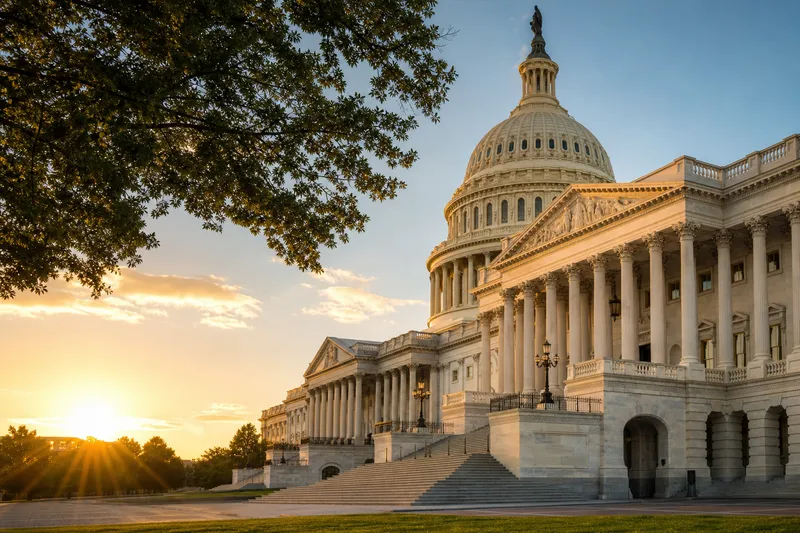
A change in US federal tax rules that could make some gamblers owe tax even when they break even moved a step closer to being reversed this week. The House Ways and Means Committee voted 38-5 to advance language that would restore the 100% gambling loss tax deduction after it was capped at 90% under President Trump’s One Big Beautiful Bill Act (OBBBA).
The 90% cap was widely criticized because it can create “phantom” taxable income. The example used by lawmakers is simple: a gambler who finishes a fiscal year with $100,000 in winnings and $100,000 in losses would no longer be able to deduct the full $100,000. Under the 90% cap they could deduct only $90,000, meaning they could owe tax on $10,000 despite having no net profit for the year.
OBBBA was approved in July 2025 and enacted in July 2026, setting up the reduction in the deduction that supporters of the fix want to stop before it bites. The new committee-approved language is attached to the Digital Asset Tax Certainty Act, which the committee advanced on Wednesday, Sept. 16.
Two Nevada Democrats have been the most visible faces of the push: Reps. Dina Titus and Steven Horsford. Titus filed the FAIR BET Act the next working day after Trump signed OBBBA in July 2025, and Horsford later introduced the bipartisan FULL HOUSE Act in January 2026 seeking the same result. Titus said the House should approve the measure before Jan. 1, 2027, arguing it would prevent gamblers from paying tax on money they “never won.” Horsford called the restoration relief for taxpayers and said it would help protect Nevada jobs tied to gaming and tourism.
What happens next is the hard part: the proposal still needs a full vote in both the House and the Senate before it could become law. A delay is possible, with CNN reporting the House is unlikely to return to session until after the November midterm elections.
Industry support is lining up behind the fix. The American Gaming Association said it was grateful for the committee step and urged Congress to pass the FULL HOUSE Act, while Wynn Resorts CEO Craig Billings called the committee vote a “critically important step” toward fairness in the tax code and protecting the workforce.
Player angle: Tax rules can change the real cost of play and withdrawals, especially for anyone who tracks wins and losses over a year rather than just a single session. Our real money casinos guide has the up-to-date picture.
Source: SBC Americas